Ben Thompson is a software engineer from the south-eastern edge of London who spent eleven years inside other people's companies, a legal-tech startup that got bought and a lending startup that turned itself into a bank, while building a small weather app for drone pilots on the side with his brother. In the autumn of 2025, nearly seven years after the first version, he left the bank to run Dronecast full time from Barcelona. What caught our attention was not the app so much as the tempo: a founder's story told at the speed of a long walk rather than a sprint.
One variable at a time
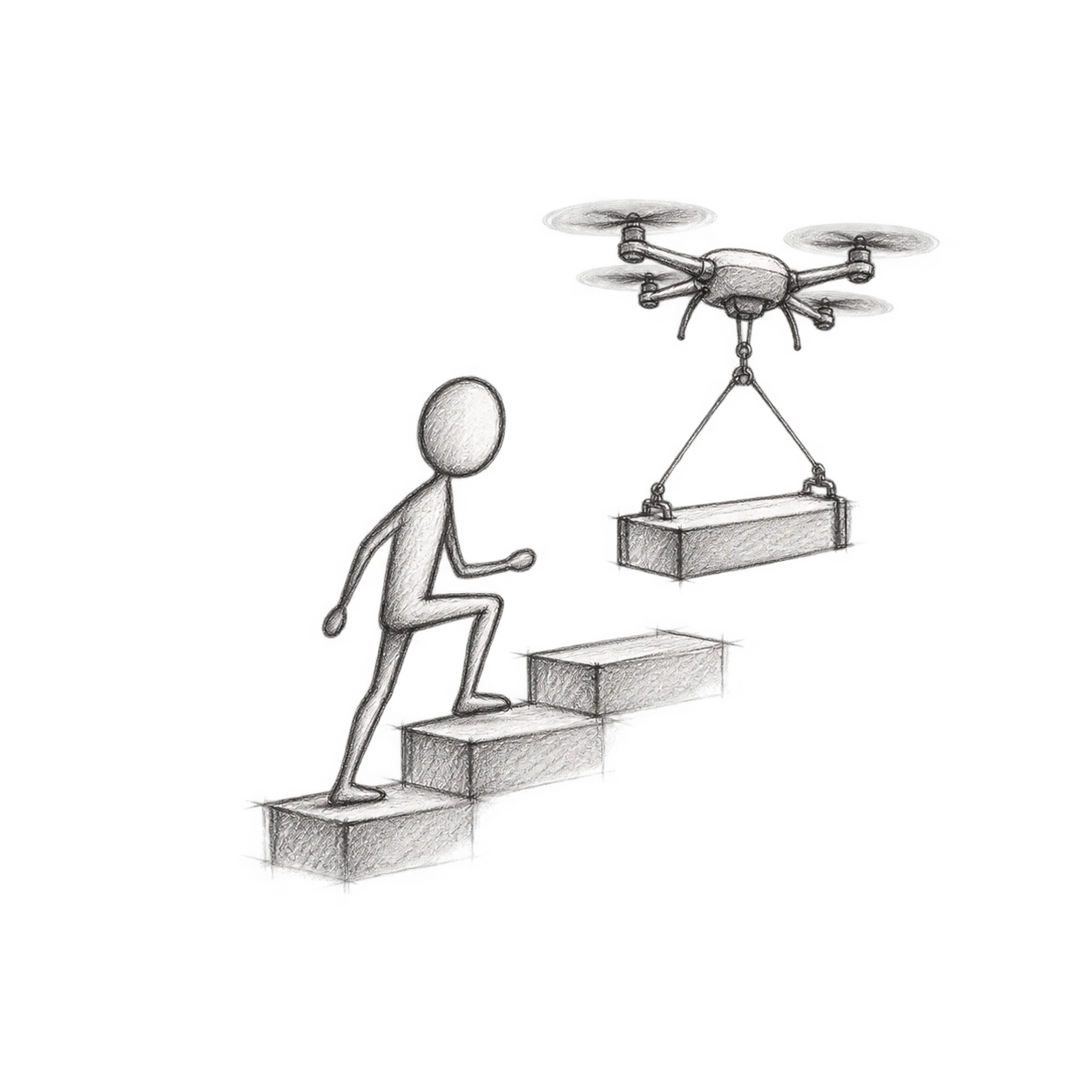
Startup folklore loves the leap. Ben's path looks more like a staircase, and the pattern on it is worth stealing.
He started Dronecast in early 2019 while holding a senior engineering job, and kept the job. The company behind it was only registered in 2021, which is roughly the point at which a hobby app with paying subscribers needs to become a legal entity rather than a folder on a laptop. In 2023 he moved from London to Barcelona, but did it inside his employer, which had run an engineering hub in the city for years, so the country changed and the job did not. Then in 2025 the job changed and the city did not.
Every move altered one thing and held the rest steady. An engineer would recognise it as controlling for variables; everyone else would call it not betting the house. By the time Ben finally gave Dronecast his working week, it had a six-figure install base on Android, thousands of ratings averaging 4.7 stars on both app stores, and a subscription that had been paying its own way for years. The "risk" of going full time had been paid down in weekends. That is the inversion we find inspiring: the brave decision was made safe not by a funding round or a runway, but by time.
Anatomy of a go/no-go
The app that says no first
Dronecast is a small weather app that tells drone pilots whether it is safe to fly. Its design choices say more about the engineer behind it than any bio could.
One red light is enough
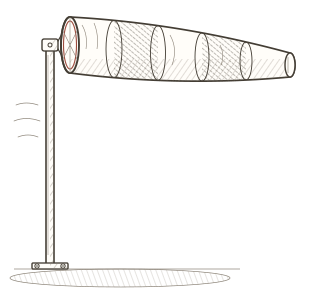
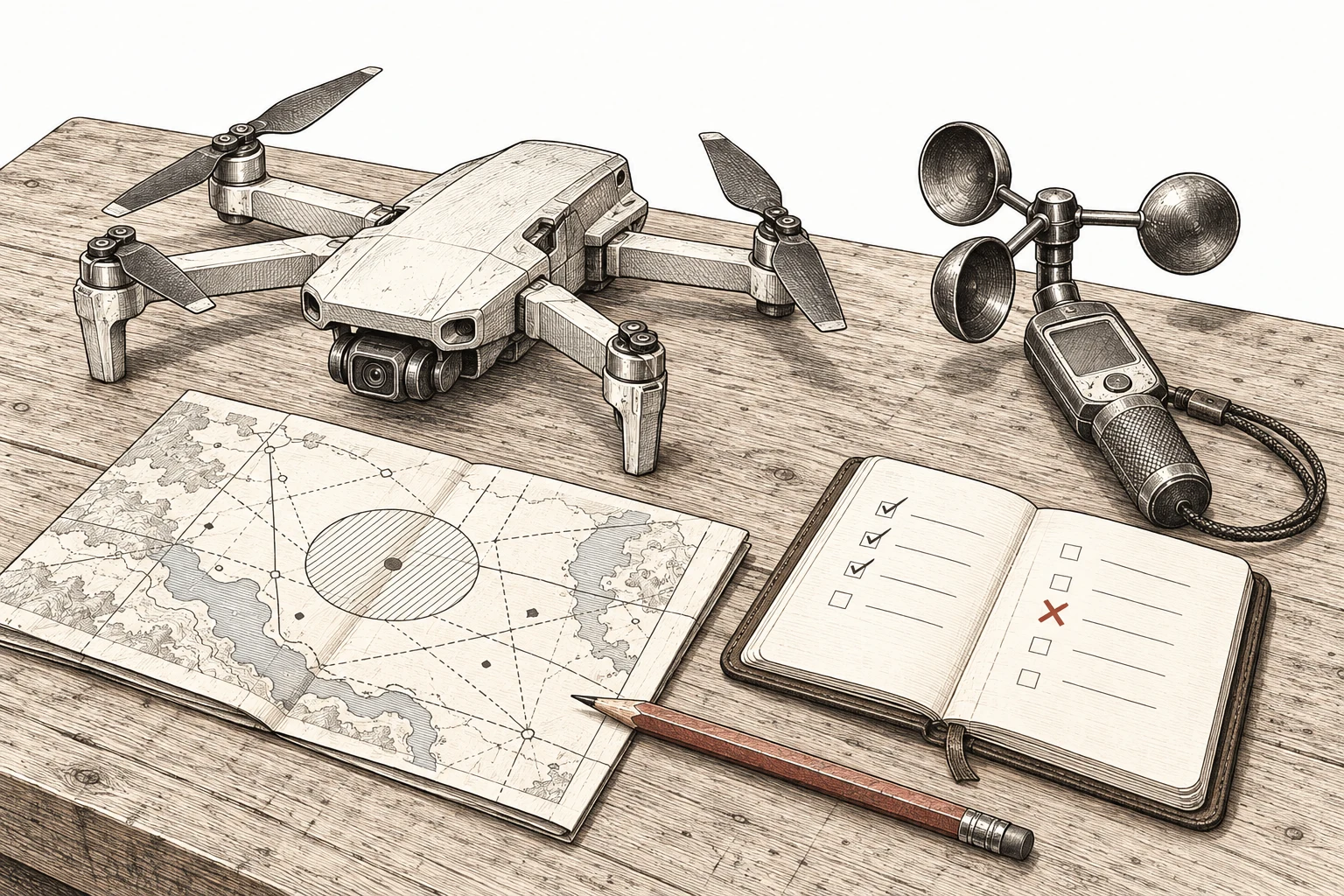
The forecast checks wind, gusts, rain and temperature and gives a single verdict. If any one of them crosses a line, the whole day is marked poor. It is a deliberately cautious default, the kind a lending engineer would recognise.
But every threshold can be moved to suit a particular drone and a particular pilot. The beginner is protected; the expert is not patronised.
The roadmap came from the inbox
A drone a hundred metres up flies in different air from the breeze on your face, and early pilots asked to see it. Today the full wind profile from ground to altitude is a headline feature.
Satellite counts and the Kp index, which flags the solar storms that confuse GPS, arrived the same way: as gaps pilots pointed out and the two-person team filled at the pace of weekends.
It outlived its own weather
The app has survived the kind of shocks that kill side projects: a data provider switched off, a larger rival changing its pricing, years of platform updates. Through all of it the free tier stayed free and ad-free, and the no-fly-zone map moved in-house so the team could answer pilots' corrections directly.
Boring resilience is the moat of a small product. It is also a very good preview of its founder.
Trained in a risk business
There is a nice rhyme between Ben's day jobs and his side project. RAVN Systems, where he landed straight out of Imperial, taught software to read mountains of legal documents and was absorbed by the American firm iManage in 2017 with Ben still on the team. Zopa, where he spent the next seven years, began as Britain's peer-to-peer lending pioneer and, during his tenure, became a fully licensed bank. Both are businesses whose core product is a decision: is this a yes, and how sure are we?
Dronecast's core product is the same decision pointed at the sky. A consumer drone weighs a few hundred grams and flies in air that is often far windier than what you feel at ground level; the app's job is to turn forecasts into a plain go or no-go. The way it does that, cautious by default, transparent about why, overridable by someone who knows their aircraft, is exactly the posture a good lending engineer learns. We are not claiming the bank taught him to build the app. We are saying that the same mind shows in both, and that a person who has spent a decade making "yes" safe for strangers is a good person to trust with a hobbyist's expensive afternoon.
There is a second lesson from those years that is easy to miss. Ben watched two companies cross major thresholds from the inside of the engineering room: an acquisition, then a banking licence. Seen from there, a product becoming a company is mostly plumbing, patience and compliance rather than fireworks. It would explain why he never seemed in a hurry to call Dronecast a startup. He already knew what the word costs.
Two Thompsons
The company that publishes Dronecast has two directors: Ben and his brother Luke, registered to the family home in Kent. By day Ben worked inside a bank of several hundred engineers organised into tribes and squads; by night he worked in a team you could fit on a sofa.
We like what that scale implies. Sibling co-founders skip the onboarding period that other partnerships spend months on; they already know each other's defaults, which arguments are worth having and which are just Tuesday. It also gives the whole enterprise the texture of a family business rather than a venture bet: something steady, portable and unflashy, runnable from two laptops in two countries. In an industry that rewards noise, a brotherly two-person firm with a hundred thousand users and no advertising is its own kind of statement.
- New product, same jobDronecast begins, LondonThe app starts as a nights-and-weekends build while Ben is a senior engineer at Zopa. A company is only registered two and a half years later, once subscribers make one necessary.
- New country, same jobLondon to BarcelonaHe moves to Spain without changing employer, working remotely for the same bank from its Barcelona engineering base. Life changes; the paycheque and the side project both carry on.

- New job, same countryDronecast full timeAfter nearly seven years of weekends and a six-figure install base, the day job finally goes. The city, the brother and the product stay exactly where they were.[3]
Reading the sky from Barcelona
Ben grew up on the grammar-school route through south-east London: Beths in Bexley, then Imperial, then the kind of fintech career that path tends to produce. It is a path that teaches you to do the sensible thing well, and he did it for over a decade. The interesting part is that he turned the sensible thing into the brave thing without ever abandoning it. Most people treat caution and ambition as opposites. His career reads like a proof that one can carry the other.
Now the hours belong to the app. The drone world has been growing up fast, with registration schemes, airspace rules and a widening gap between the professional operators and the weekend pilot who just wants a straight answer before driving to the coast. Dronecast has always been for that second person, and the things a full-time team can do that weekends cannot, like maintaining its own airspace data and supporting more aircraft, are the things that make a simple answer trustworthy.
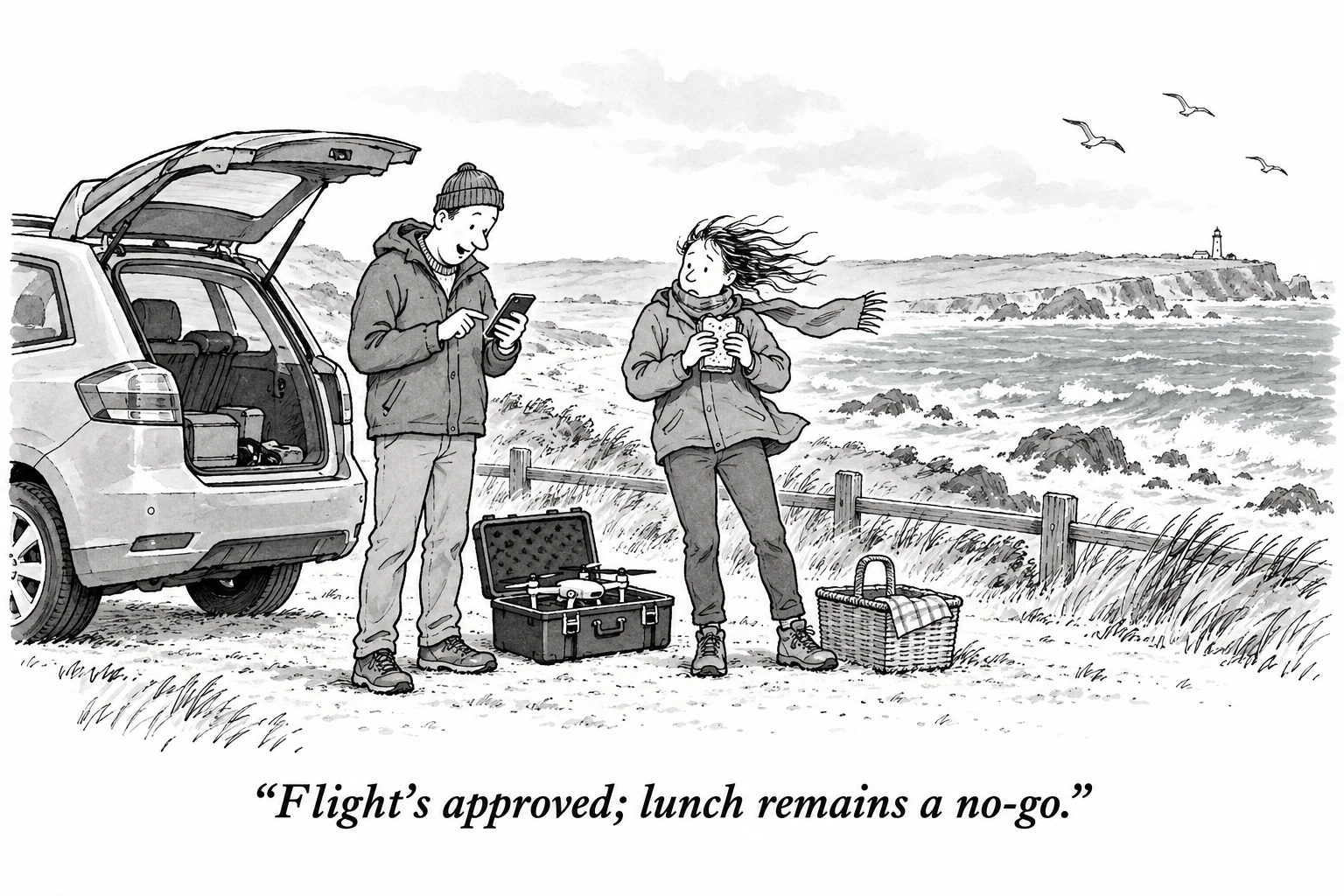
We will be watching to see what the staircase looks like from here. Our guess is that whatever Ben does next will arrive the way everything else has: one well-chosen change at a time, long after it was already safe to make.