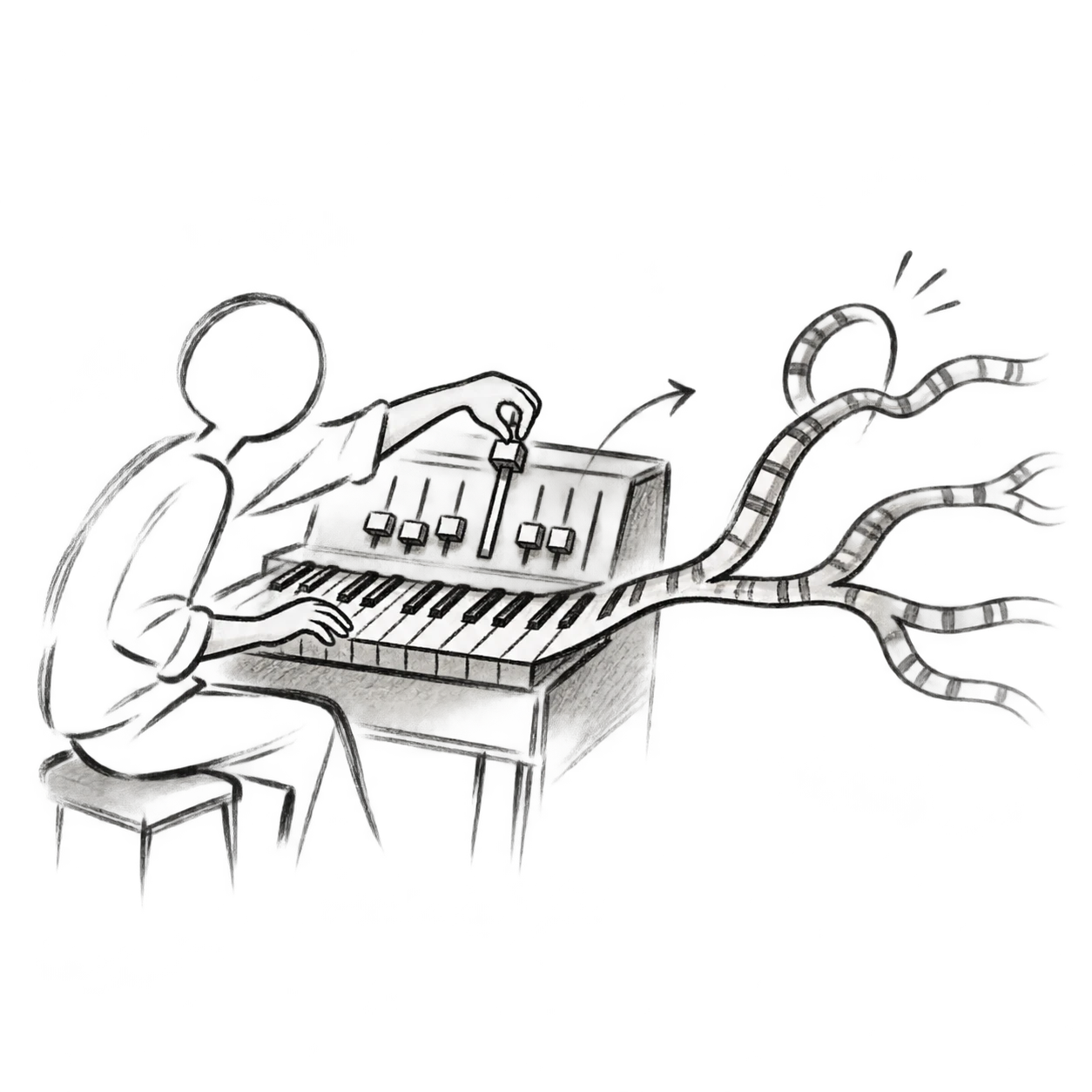
Rudolph Tanzi helped write the genetic map of Alzheimer's disease, then spent the following decades arguing with his own map. He is a Harvard neurologist and directs a brain-health centre at Massachusetts General Hospital. He is also a member of the National Academy of Medicine, a bestselling author, and the Hammond organ player on an Aerosmith record. What caught our attention is that all of these come from the same temperament: an improviser who plays the long game.
Arguing with his own discovery
At its simplest, Alzheimer's leaves two kinds of wreckage in the brain. One is sticky clumps, called plaques, made of a protein called amyloid. The other is twisted fibres, called tangles, made of a second protein called tau. For decades the central question in the field has been which of these starts the damage. The leading answer, often called the amyloid hypothesis, is that amyloid comes first.
Rudy's name is attached to much of the evidence for that answer. Most Alzheimer's appears late in life and has no single cause. A small number of families, though, pass down a rare form that strikes in middle age, and in those families a single faulty gene is enough to cause the disease. Between 1987 and 1995 Rudy helped discover the three genes behind this inherited, early-onset form. All three affect how the brain makes or handles amyloid, which is a large part of why amyloid became the prime suspect. Normally a scientist would go on to defend the finding that made their name.
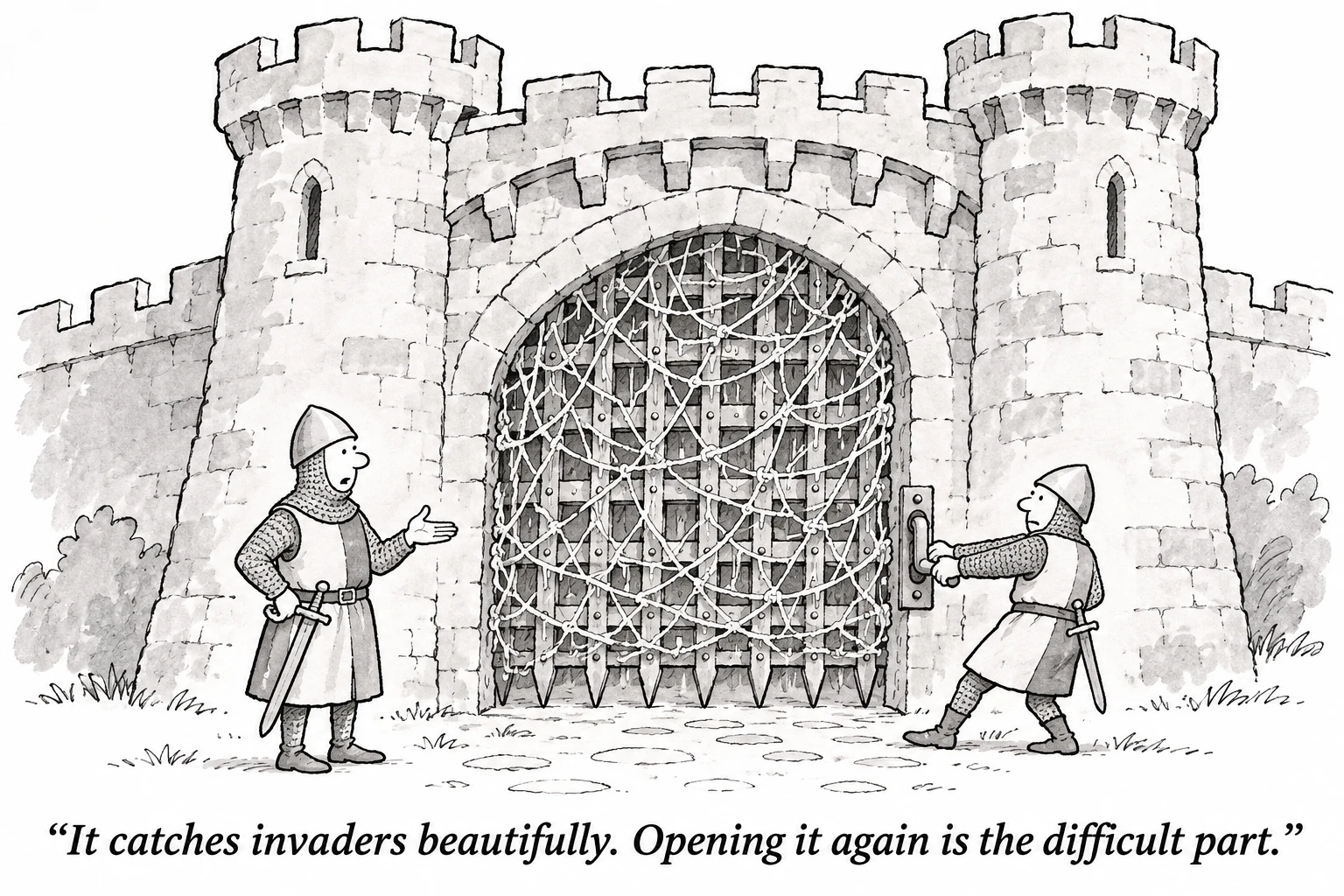
He did the opposite. His lab started asking why the brain makes amyloid at all. Their proposal is that amyloid is a weapon: part of the brain's ancient immune defence, a sticky net for trapping invading microbes, which only causes trouble when it keeps firing long after it should stop. In 2025 the same group extended the idea to tau. Whether or not the hypothesis survives, the move itself is the interesting part. The person with the most reason to protect the established view chose to reopen it.
It is tempting to trace this back to an unusual pairing of subjects at university. At the University of Rochester he studied microbiology alongside the history of science, a discipline that shows how confidently wrong every generation of researchers has been. Someone trained that way might decide to build a career on the kind of fact that doesn't expire, such as "a mutation in this gene causes this disease", while holding every explanation of why loosely. His career reads exactly like that: durable findings, revisable stories.
The sideman
The organist in the gene lab
A leading Alzheimer's scientist who, in music, is happy to be the player nobody sees. Four scenes from a double life that never needed resolving.
1980: days in the lab, nights in the clubs
Fresh out of college he took a technician's job at Mass General, helping a young geneticist locate the Huntington's disease gene from family blood samples, something nobody had done before.
The same years, he was leading a band that played five nights a week across New England. Neither life was the hobby.
2009: a handshake at a photo shoot
A magazine feature on 'rock stars of science' put him in a room with Aerosmith's Joe Perry. The two found they described their creative process the same way, and kept talking.
Three years later he stopped at a studio on the way to work, laid down a Hammond organ part in an hour, and walked into his lab. The record went top five.
Why the Hammond fits
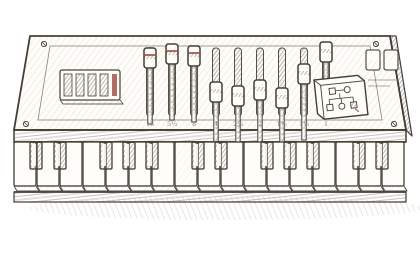
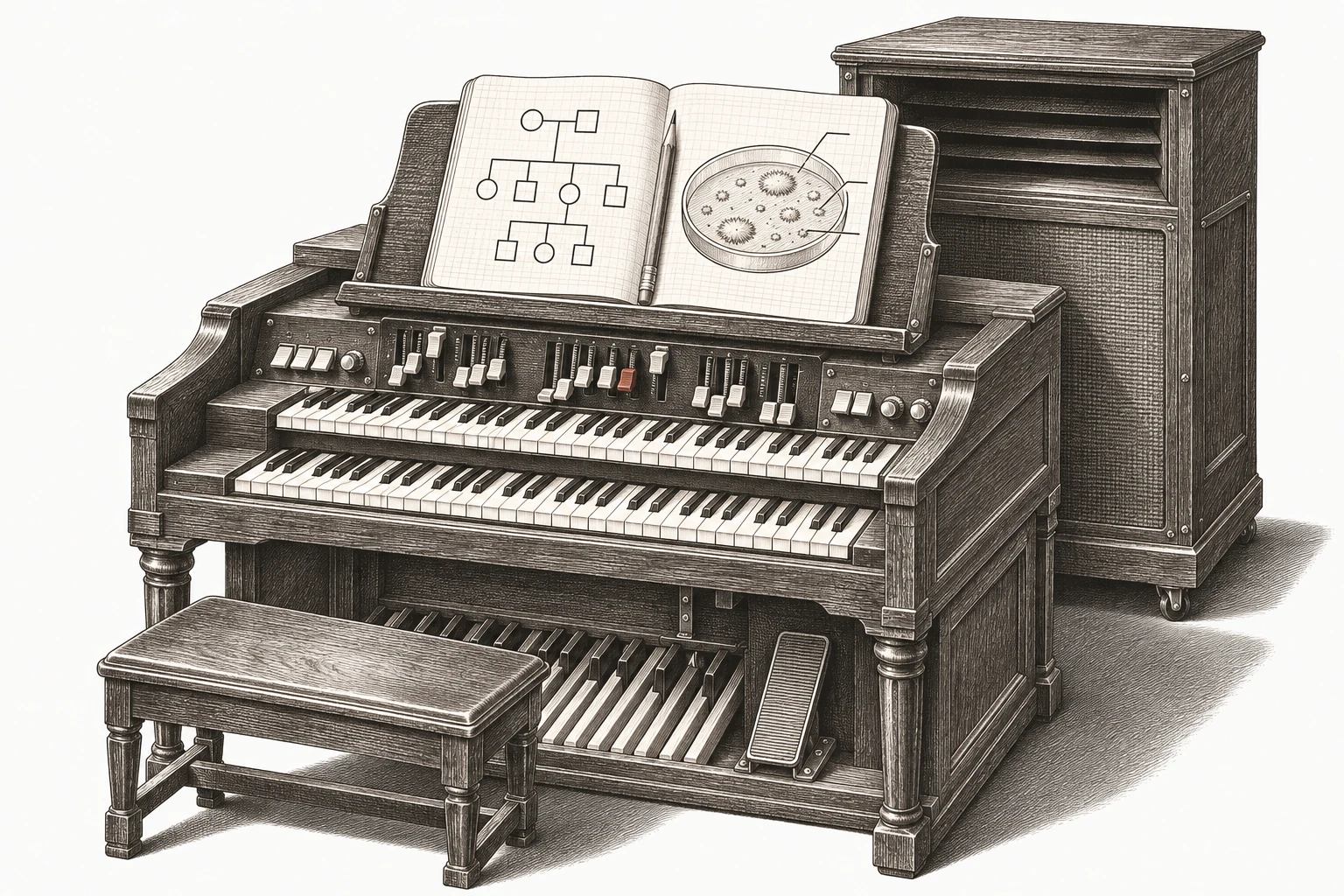
The Hammond is the instrument of texture and improvisation: you pull the drawbars, you listen, you fill the space the others leave.
A lab that runs gene hunting, brain-in-a-dish models and drug chemistry under one roof needs the same ear. Someone has to hold the groove while the soloists take their turns.
Forty-six years, one address
Rudy walked into Massachusetts General Hospital in 1980 as a 21-year-old lab technician. He had been hired to help a young geneticist named James Gusella do something nobody had yet managed: pin down where a disease gene sits among our chromosomes, starting from nothing more than blood samples and family trees from affected families. The target was Huntington's disease, an inherited brain disorder, and the team found the gene's location.
Rudy has never left the building. He went from technician to graduate student, instructor, professor and unit director, and since 2023 he has headed the hospital's McCance Center for Brain Health. That is a whole career under one roof, in a field where talented people usually move every five years.
There is a quieter lesson in that than in the headline discoveries, and maybe a more useful one. Staying put let him build something few labs have. Turning a genetic discovery into a medicine usually takes several different specialties, often spread across separate institutions. His group keeps them side by side: people who find genes, people who model the disease in cells, and people who develop drugs. A mutation found in a family upstairs can be tested in a dish downstairs and handed to a chemist across the hall. As a graduate student he bet on hunting for an Alzheimer's gene on chromosome 21, against cautious advice. The bet paid off because he was still there to collect on it, again and again.
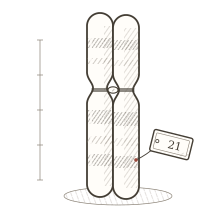
- A gene on chromosome 21Harvard and Mass GeneralAs a graduate student he bet on chromosome 21, the Down syndrome chromosome, and helped find the first Alzheimer's gene, APP. Two more early-onset genes followed by 1995.[1] [3] [4]
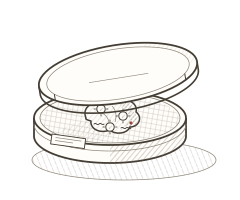
- Alzheimer's in a dishTanzi LabHuman brain cells grown in a gel that develop real plaques and tangles in weeks. It turned a year-long mouse experiment into a fast screen, and his team ran about six thousand compounds through it.[1] [6]
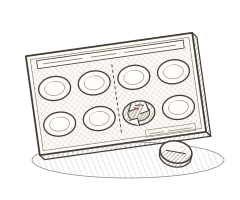
- Two bets reach patientsActa Pharmaceuticals and ARPA-HA drug class he began developing around 2000 entered its first human trial, and a federally backed study of drug combinations from the dish screen was funded in the same month. The goal: a daily pill taken decades before symptoms.[6]
Statins for the brain
In October 2026 two of his oldest ideas moved toward patients within the same fortnight.
The first was a class of drugs he began developing around 2000 with the late chemist Steven Wagner. The brain makes amyloid by cutting it from a larger protein, and depending on exactly where the cut falls, the fragments come out in slightly different lengths. Some are fairly harmless; others are especially prone to clumping. These drugs are designed to nudge the cut toward the harmless kind. They entered their first human trial through Acta Pharmaceuticals, a company Rudy co-founded.
The second came days later. ARPA-H, a US federal agency that funds ambitious health research, joined a group of philanthropists to commit tens of millions of dollars to testing combinations of drugs his team had picked out of roughly six thousand candidates. They did the screening in what's known as "Alzheimer's in a dish", a model his lab created in 2014 in which living human brain cells, grown in the lab, develop the disease's plaques and tangles. That lets researchers watch the disease unfold and test drugs against it without waiting years for results in patients.
What ties these together is a new way of looking at the disease, and it matters to anyone over forty. The damage of Alzheimer's begins in the brain twenty or more years before the first forgotten name. The drugs approved so far are given only once symptoms appear, cost a fortune and buy modest time. Rudy's vision is to treat Alzheimer's the way heart doctors treat cholesterol: spot the risk with a blood test in midlife, take a safe daily pill (the way millions take statins), and never get the diagnosis. At 68, with both bets finally being tested in people, he is working at full tilt rather than winding down, and it is hard to imagine a better reason to keep going.
Writing for the people who will need it
Alongside hundreds of technical papers, Rudy has co-written four books for general readers, three of them bestsellers, and fronted PBS specials about keeping the brain healthy. A geneticist who hunts rare mutations is an unlikely person to give advice on sleep, exercise and stress, and it would be easy to file the books as a scientist's side career.
We see them as part of the same career. If the disease starts two decades before symptoms and the prevention pill is still in trials, people have to start protecting their brains before the medicine arrives, and someone with real authority has to tell them how.
The books do a second job too. Dementia is still whispered about the way cancer once was. Each time a leading researcher talks publicly about it as an ordinary illness of the body, the whispering gets a little harder to keep up. That is public health dressed up as a book tour. TIME put him on its list of the hundred most influential people of 2015, citing the brain-in-a-dish model, but the books reach people that list never will.
The sideman's ear
The Aerosmith credit is the detail people remember, and it's worth noticing what kind of credit it is. He played as a sideman, the musician who backs the band rather than fronting it. As the organist, his job is to listen to what everyone else is doing and fill the space with the right texture. The Hammond suits an improviser: the player shapes its sound on the fly with sliding controls called drawbars, and much of it comes down to feel. He has played since he swapped an accordion for an organ as a boy.
In his twenties he led a club band five nights a week while helping map the Huntington's gene by day, and he never chose between the two lives. We suspect the science is better for it. A lab that spans genes, dishes and drugs works like a band, and someone has to hold the groove while the soloists take their turns.