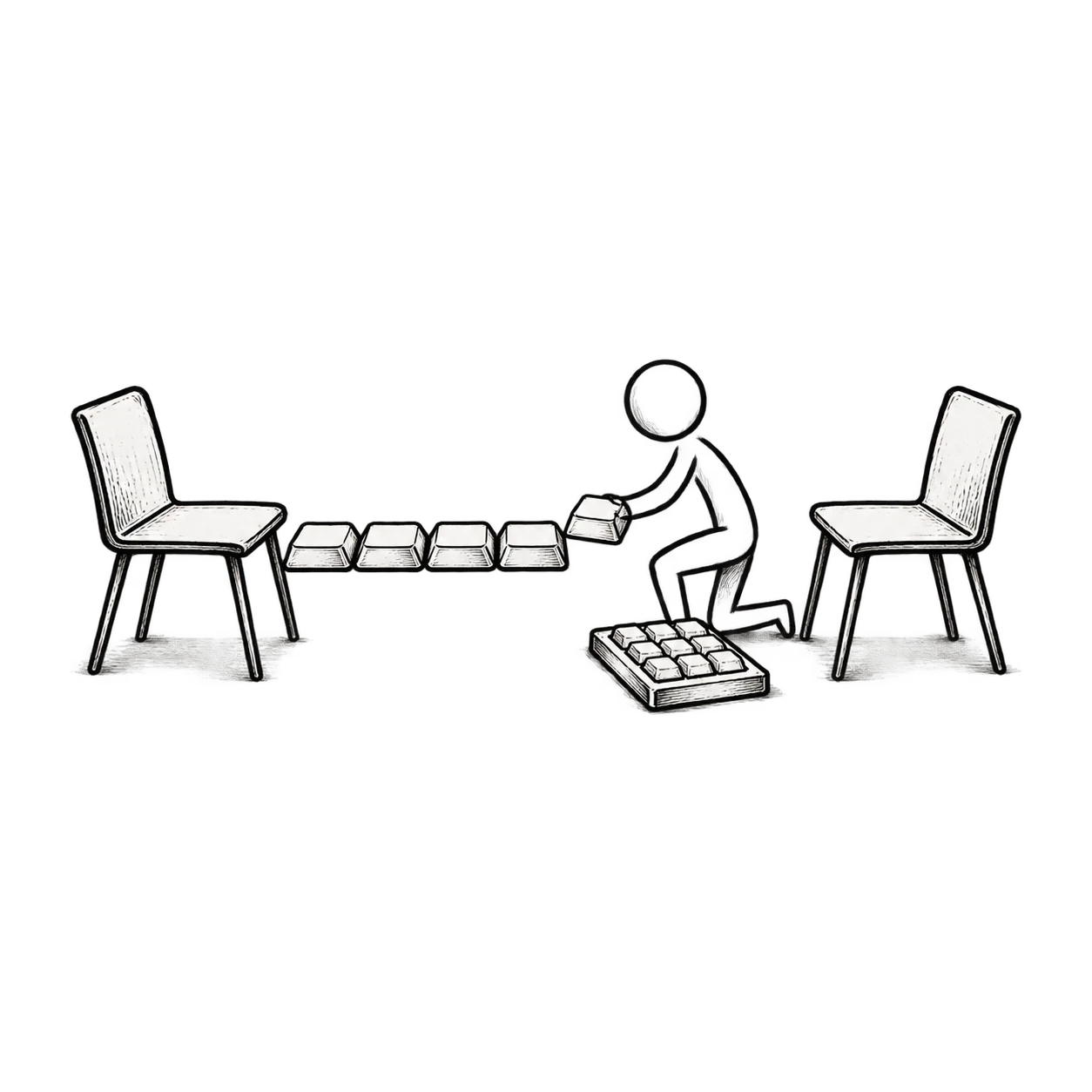
Saumya Dalal is a Mumbai-based engineer who spent a decade in American tech, most of it at Google, and came home to work on the one question she has never quite put down: how do people actually learn, and what would it take to teach each of them well? She caught our attention because her career reads like a tour of every serious answer to that question, and because in 2026 she chose to take the engineer's seat on a study designed to test it properly.
The map that couldn't read its own country
In 2019 Saumya moved from writing code at Google to deciding what should be built, as a product manager on Google Maps. One of the problems she picked up looks small until you live inside it. Millions of Indian shops, clinics and landmarks were listed only in English. Type the name of a hospital in Gujarati or Tamil script, as hundreds of millions of people would, and the map shrugged.
It is hard to imagine someone who grew up in Mumbai not feeling that gap personally. The work she led used machine learning to write those names into ten Indian scripts at once, and the result she co-published is one of the few Google engineering posts that reads like a letter home. We think it is the clearest early sign of a pattern: Saumya's best product instincts come from friction she has felt herself, not from a market report. It is a less glamorous gift than invention, and a more reliable one.
The two-sigma problem
The two-sigma problem
Education has one famous, unsolved result. Saumya has worked on nearly every proposed answer to it. Now she is helping test the question itself.
A 1984 result nobody has beaten
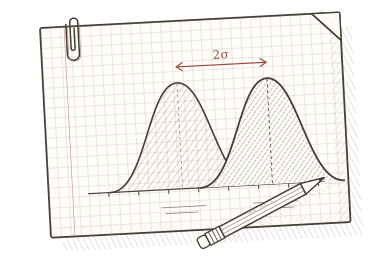
Benjamin Bloom found that a child taught one-to-one by a good tutor performed about two standard deviations better than a child in an ordinary classroom. The average tutored student beat 98 percent of the class.
The catch was price. A tutor per child was never affordable, so the gap sat there for four decades as the industry's white whale.
Every answer, one chair at a time
Most people in education technology pick a camp. Saumya has sat in most of them: the platform that runs the classroom (Google Classroom), the school that teaches through games (Synthesis), the app that links teachers and parents (ClassDojo, which she helped bring to India), and the school that hands the morning to an AI tutor (Alpha School).
Each is a different bet on closing Bloom's gap. Few people have seen them all from the inside.
Now, the experiment
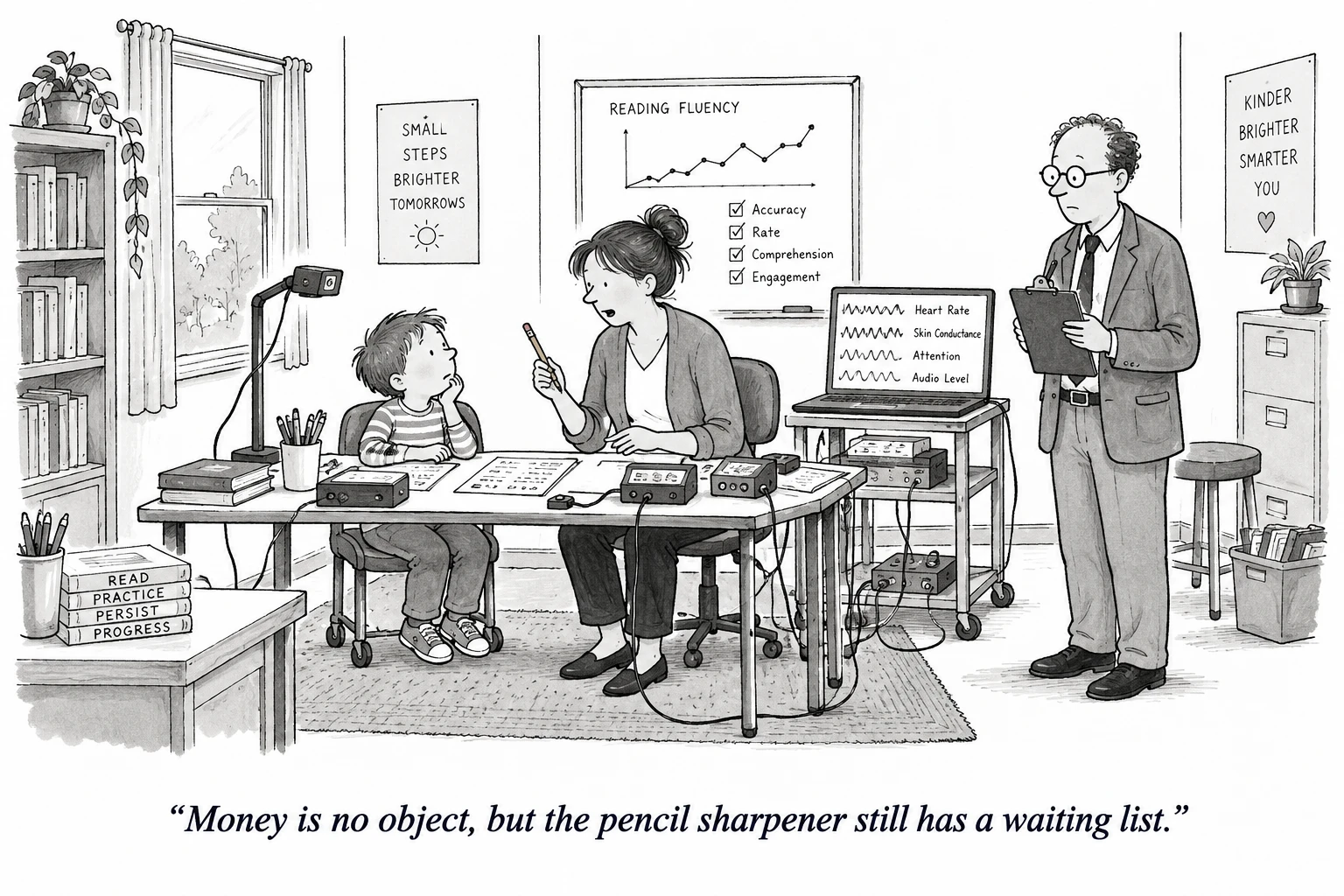
Modern Bloom is a non-profit study, funded by Reed Hastings, that reruns the 1984 experiment with modern rigor: a dedicated tutor per child for a full year, money no object, results published in full.
Saumya's seat this time is the engineer's. She is building the software the tutors teach with and the measurement that shows what moved each child. If AI is ever to put a tutor in every pocket, someone first has to know what the ceiling looks like.
Following the question, not the title
What is unusual about Saumya's path through education technology is not that she worked in it, but how many positions she has taken within the argument. Google Classroom is the institutional answer: make the school itself run better, starting with the administrators nobody builds for. Synthesis, her first startup, is the romantic answer: children learn strategy and collaboration best through games, an idea that came out of a tiny school started at SpaceX. ClassDojo, which she launched in India from her new base in Mumbai, is the relationship answer: connect teacher and parent and the child benefits. Alpha School, which she advised, is the radical answer: let an AI tutor handle academics in two hours and give the rest of the day back.
People in this field tend to become partisans of whichever answer employs them. Saumya seems to have treated each as a hypothesis worth understanding from the inside, then moved on with the knowledge. By the time she joined Modern Bloom this autumn, she had a rare thing: a working theory of the whole landscape rather than a stake in one corner of it. There is a lesson here for anyone early in a career. A job title changes every few years; a question you care about can hold a whole career together, and lets you leave a job without leaving your work.
Mumbai as a base, not a landing
Saumya's trajectory out of India was the classic one. Dhirubhai Ambani International School, the city's most ambitious IB school, then Carnegie Mellon's School of Computer Science, then Mountain View, San Francisco, New York. Most people who travel that road stay on it. In 2023 she turned around.
What she did next is what makes the return interesting. From Mumbai she launched an American company in India, advised an Austin school, joined South Park Commons (a San Francisco community for technologists working out what to build next), spent six months at an AI startup with a Mumbai office, and now works remotely for a US study. Mumbai, in her hands, is not a place to settle back into. It is a place to operate from, with the advantage of knowing two markets natively. A growing cohort of Indian technologists has discovered that home can be the headquarters; she is doing it in education and AI rather than the usual fintech.
The return also produced the most playful chapter of her career. A gamer herself, she found on arriving that streaming demanding games from the cloud simply did not work from India, because the nearest servers were too far away. So she and a friend built GameAway, with servers in India, and ran it as a lifestyle business on the side. It is not part of any grand plan, and that is rather the point: a person who builds things will build the thing missing from her own week.
- A map that finally read homeGoogle Maps, New YorkMillions of Indian places had names only in English. Saumya co-led the work that wrote them into ten Indian scripts, so a search typed in Gujarati or Tamil would find the hospital down the road.

- The gamer who moved backGameAway, MumbaiHome in Mumbai, she and a friend found no cloud gaming service with servers close enough to play without lag. They built one, with hardware in India, then ran it as a lifestyle business.[1]

- A reading tool for a wandering mindFringeThinkDense papers reward patience that curious, easily distracted readers do not always have. FringeThink turns them into knowledge graphs you can wander through instead. She built it for readers like herself.[1]
Back to the keyboard
The most telling line on Saumya's résumé is her newest title. After seven years as a product manager, the role most engineers at Google are supposed to aspire to, she is a product engineer again. She scored a 750 on the GMAT in 2018 and then, as far as we can tell, chose product work over business school; now she has chosen building over managing. Both decisions run against the usual gravity of a big-company career, and both look wise from 2026, when a small team with good tools can ship what used to take a department, and the people who can both decide and build are the ones in demand.
Her six months at Hyde, a startup that trains specialized AI models on companies' own data, fits this reading. It is not an education company; it is where you go to learn how models are actually trained, the engine underneath every AI tutor anyone is promising. She appears to have gone to learn the engine before returning to the vehicle she cares about.
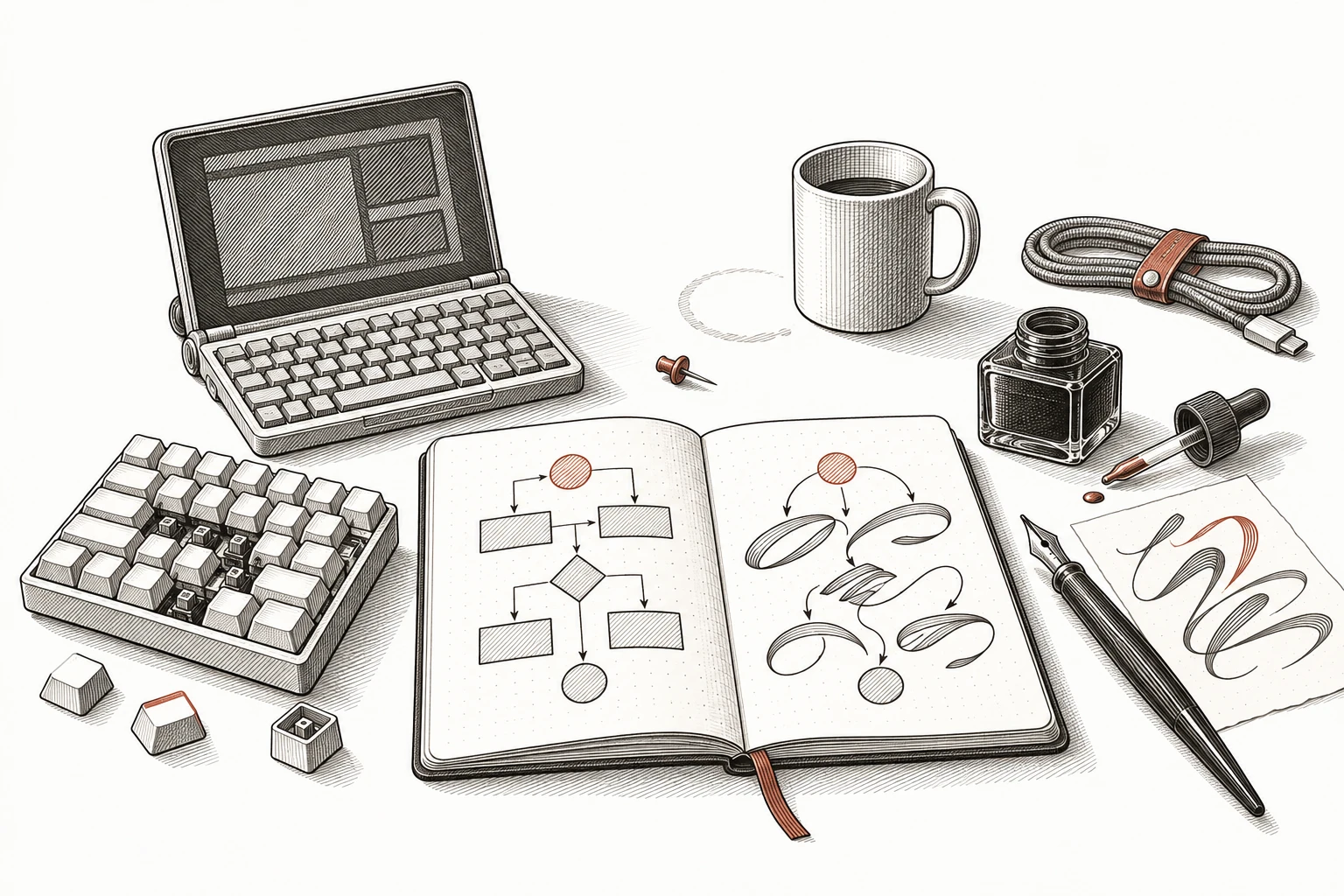
The building habit spills past work. Saumya writes short essays that use programming concepts to make sense of ordinary life, and she letters by hand, the slow, analogue craft of drawing words. We suspect these are the same impulse as her product sense: a mind that likes to make a structure visible and then make it beautiful. FringeThink, the tool she launched in 2025 that turns dense research papers into knowledge graphs for curious, easily distracted readers, is that impulse in software. Once again she built for a user she knew well. It is a generous way to design: assume your own difficulty is shared, and fix it in public.
What the ceiling looks like
Modern Bloom, where Saumya now works, is a non-profit study funded by Reed Hastings that reruns the most famous experiment in education: a dedicated tutor for every child, for a year, with money no object, to measure how far personalised teaching can go. Saumya is writing the software those tutors teach with and the instruments that will say what worked. Her value there is obvious once you line up her last ten years. She knows what classrooms need from software, what games can do that lessons cannot, how an AI tutor behaves in a real school and how a model is trained. Few people arrive at an experiment like this having lived inside all of its competing assumptions.
Whatever the study finds, she will be one of the people best placed to build what comes after it. That seems to us exactly where she intended to be.