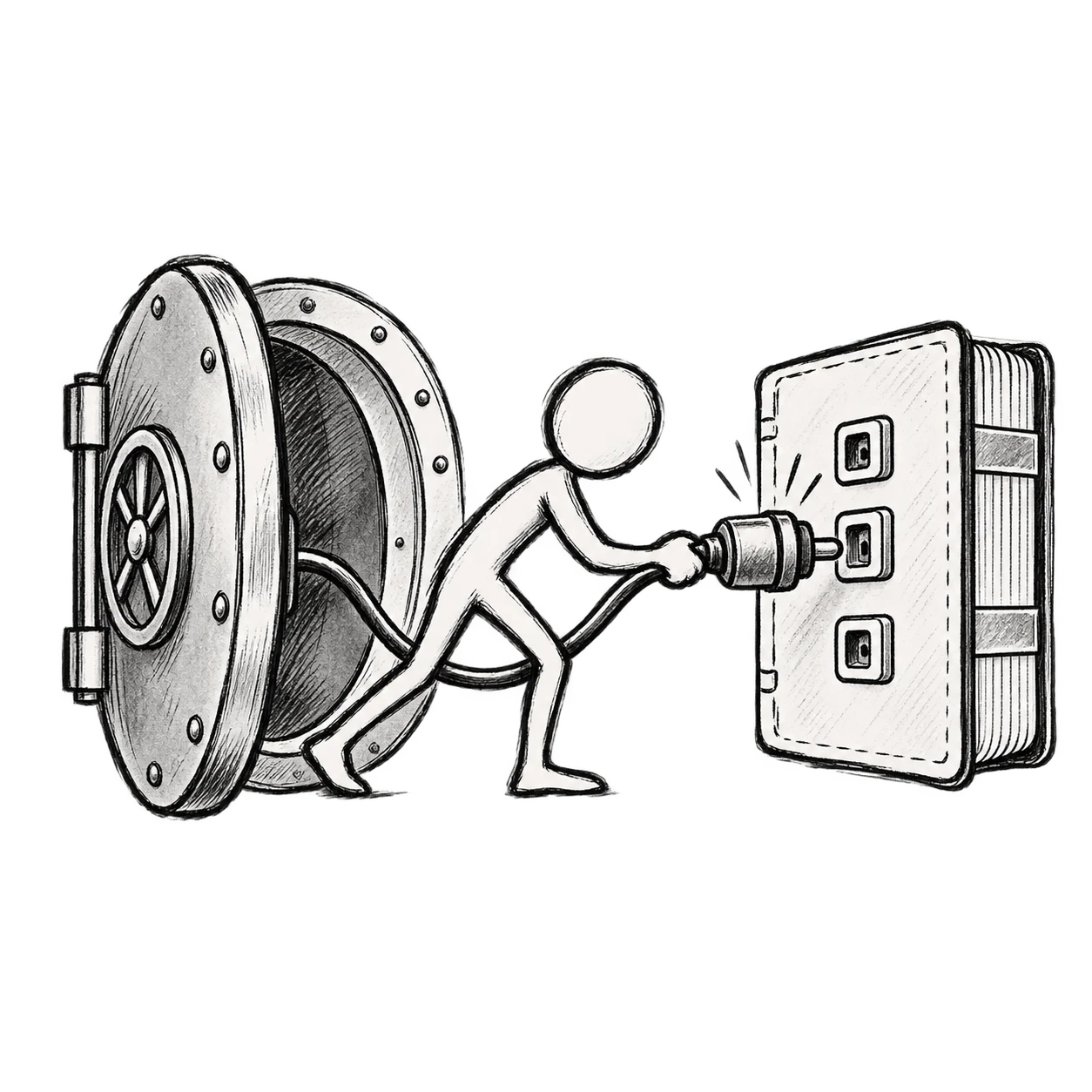
Veer Jhamtani spends his working life persuading companies that don't belong to each other to behave, for a while, as if they do. Raised in Mumbai and educated in Hong Kong, he learned Mandarin in order to sell a young Chinese phone brand to Scandinavian telecoms operators, then helped a brand-new British bank decide what to build and what to buy, and now stitches banks and apps into Xero, the accounting platform that runs the books for roughly a million small businesses in the UK alone. What caught our eye was not a single deal but the range: he has made almost every kind of partnership there is, in almost every kind of place.
East, when everyone else went west
Veer went to school at Dhirubhai Ambani International in Mumbai, one of the most outward-looking schools in India and a reliable conveyor belt to American and British universities. He stepped off the belt. He took a scholarship set aside for Indian students at the University of Hong Kong and read economics and finance in a city where the business language on the street was Cantonese and the real prize was proximity to mainland China. From there he went to Dubai as an investment-banking analyst at EFG Hermes, the Middle East's dominant deal house, and worked on more than two billion dollars of equity raises and mergers before he was twenty-five.
Then he did the thing almost nobody in that seat does. He left, enrolled at Zhejiang University in Hangzhou to learn Mandarin, and spent a year travelling across China. The next job was in Shenzhen, at OnePlus, which was then a three-year-old handset maker with a cult online following and almost no presence on the shelves of European mobile operators. His task was to change that, carrier by carrier.
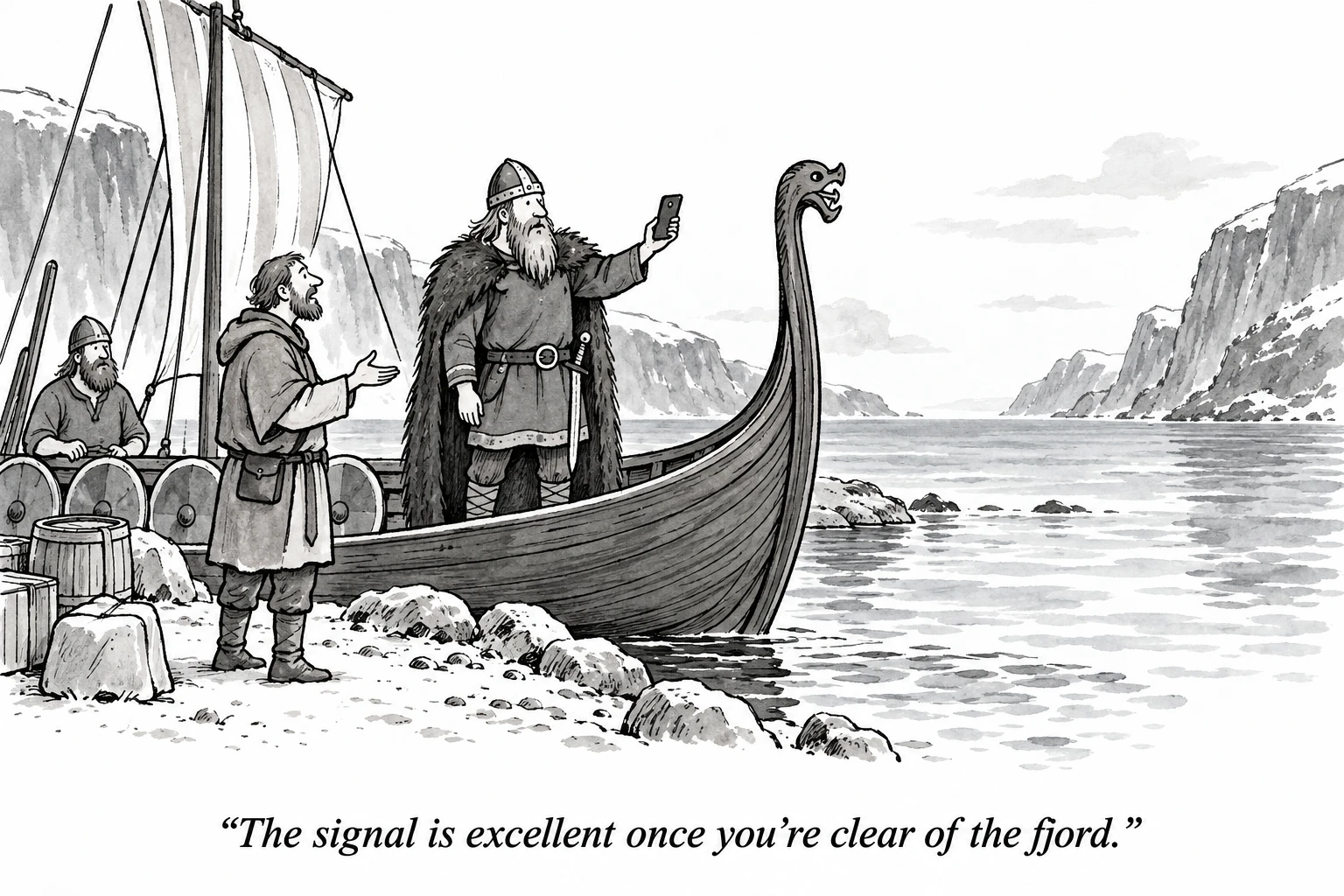
There is a pattern worth noticing in those first three cities. Jhamtani is a Sindhi name, and Sindhi merchant families have for well over a century run trading houses along exactly this arc: Bombay to Hong Kong to the Gulf. Whether by design or by instinct, Veer's early career retraced an old trade route and then extended it inland to the Pearl River Delta, where the world's hardware is actually made. His cohort was flying to Boston and London. He was going where the next decade of commerce was being assembled, and learning its language on the way.
Four kinds of handshake
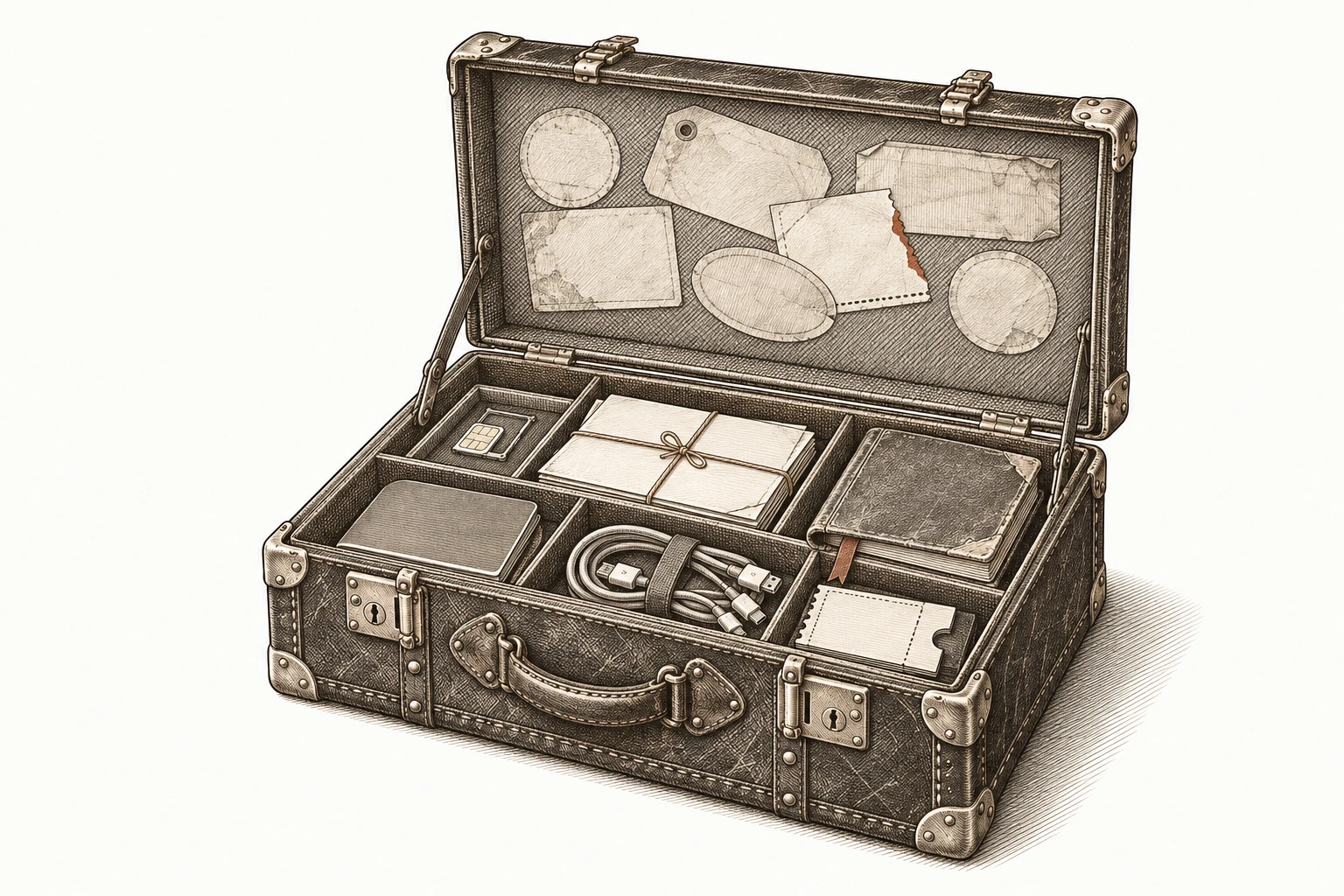
"Partnerships" is one of the vaguest titles in business; it can mean anything from selling to networking. Veer's version is precise, and the precision comes from having done four structurally different jobs under the same word. The currencies are not interchangeable, and most people who carry the title have only ever traded in one or two of them.
Four kinds of handshake
Four kinds of handshake
Partnerships is one of the vaguest job titles in business. Veer has done four structurally different versions of it, each trading in a different currency. Swipe to see how they differ, and why having all four is rare.

The shelf
Shenzhen, 2016. OnePlus was a three-year-old brand selling mostly online. Veer's job was to get it onto the shelves of European mobile operators, starting with carriers like 3 in Denmark.
Currency: shelf space, and an operator's trust in a brand with no track record. You win it with forecasts, logistics and patience.
The spotlight
Bengaluru, 2017 to 2019. Limited editions with Marvel, a Netflix tie-in around Sacred Games, a Google Lens campaign.
Currency: borrowed attention. Both brands have to come out looking better, so the real skill is knowing what the other side needs to be able to say yes.
The balance sheet
London, 2022 to 2026. Corporate development inside Chase's new European consumer bank: whether to build a product, buy a company or partner with one.
Currency: capital and time. Here the most valuable deals are often the ones you talk a committee out of.
The socket
London, 2026. Product and ecosystem partnerships at Xero, where the product is only useful because it connects to banks, payment providers and accountants.
Currency: integration. Success is when a florist checking their books never notices that two companies had to agree on anything.
From the Avengers to the stockroom
The co-marketing years in Bengaluru were the glamorous ones. OnePlus became the best-selling premium phone in India in 2018, and the limited editions Veer helped broker with Marvel, the Netflix tie-in around Sacred Games and the Google Lens campaign were part of how a Chinese upstart turned itself into an Indian status symbol. These were launches that trended, with queues and unboxings.
What he did next says more about him. He went home to Mumbai and spent a year inside Future Group, the conglomerate behind Big Bazaar, running a pilot to put radio tags on inventory so stores actually knew what was on their shelves. It is unglamorous work: scanners, stockrooms, counts that don't match. A person who has just done Avengers launches does not take that job unless he wants to understand how a business physically works underneath the brand. We read it as a deliberate change of altitude. Partnership people who have implemented something tangible, who know what a rollout costs in sweat rather than in slides, are rare, and they are the ones operators trust.
Retooling in the open
Veer's MBA at London Business School landed in the middle of the pandemic, which could have made it a two-year pause. He treated it instead as a runway. While still studying he took two part-time advisory roles, one with a London open-banking payments startup on its expansion abroad, the other inside HelloFresh's payments team on embedded finance. Neither was a trophy. Together they were a bridge: a consumer-tech and retail operator teaching himself fintech by doing small, real pieces of it before asking anyone to hire him for the large piece.
The large piece was JPMorgan Chase. Chase had launched a digital bank in the UK in late 2021, and Veer joined its European partnerships and corporate-development team less than a year later, when the bank was still deciding which products to build, which to buy and which to borrow from others. He stayed nearly four years, through the growth to millions of customers and the preparations for Germany. It is the position on the inside of a new bank that a partnerships person most needs to have held: you learn what the objections sound like from the bank's side of the table, which committees say no, and why.
- A phone brand before it had carriersOnePlus, ShenzhenHe joined a three-year-old Chinese handset maker and worked on the carrier deals that moved it from online cult to European operator shelves.
- A bank in its first yearChase Europe, LondonChase UK had launched months earlier. He joined the team deciding, product by product, what to build, what to buy and what to borrow from partners.

- A platform made of partnersXero, LondonHe switched to the other side of the table: the software platform that banks and apps plug into, serving small businesses across EMEA.
The other side of the table
In early 2026 he crossed over. Xero began in New Zealand and grew into one of the most partnership-dependent software companies in the world: it is useful to a plumber or a florist precisely because it connects, without fuss, to their bank, their payment provider, their payroll and their accountant. At Chase, Veer was the bank weighing whether to let a fintech in. At Xero, he is the platform asking banks to open the door. Few people in European fintech have sat in both chairs, and that double fluency is probably the most valuable thing he owns. It is why he now finds himself on a conference stage talking to building societies and credit unions, some of the oldest financial institutions in Britain, about plugging into some of the newest software.
His story is useful beyond fintech. Go where things are early rather than where they are already prestigious. Learn the language, literally. Take the stockroom year even after the red-carpet years. When you want to change fields, build the bridge with small, real work before you cross. And treat "partnership" as a craft with a grammar, not a handshake. Veer is mid-career, nine months into a new chapter, from a family where people ship things (his sister launched an app of her own this year, and he was among the first to cheer it). It would not surprise us to see him end up running the ecosystem of something large, or starting the thing that others try to partner with.